
Wigs for hair loss: why wigs & toppers are a real solution
It took me about three years before I bought my first topper and wig. These are the reasons I’m so glad I finally did, what I wish someone had told me before my first piece, and the downsides you should know about too.
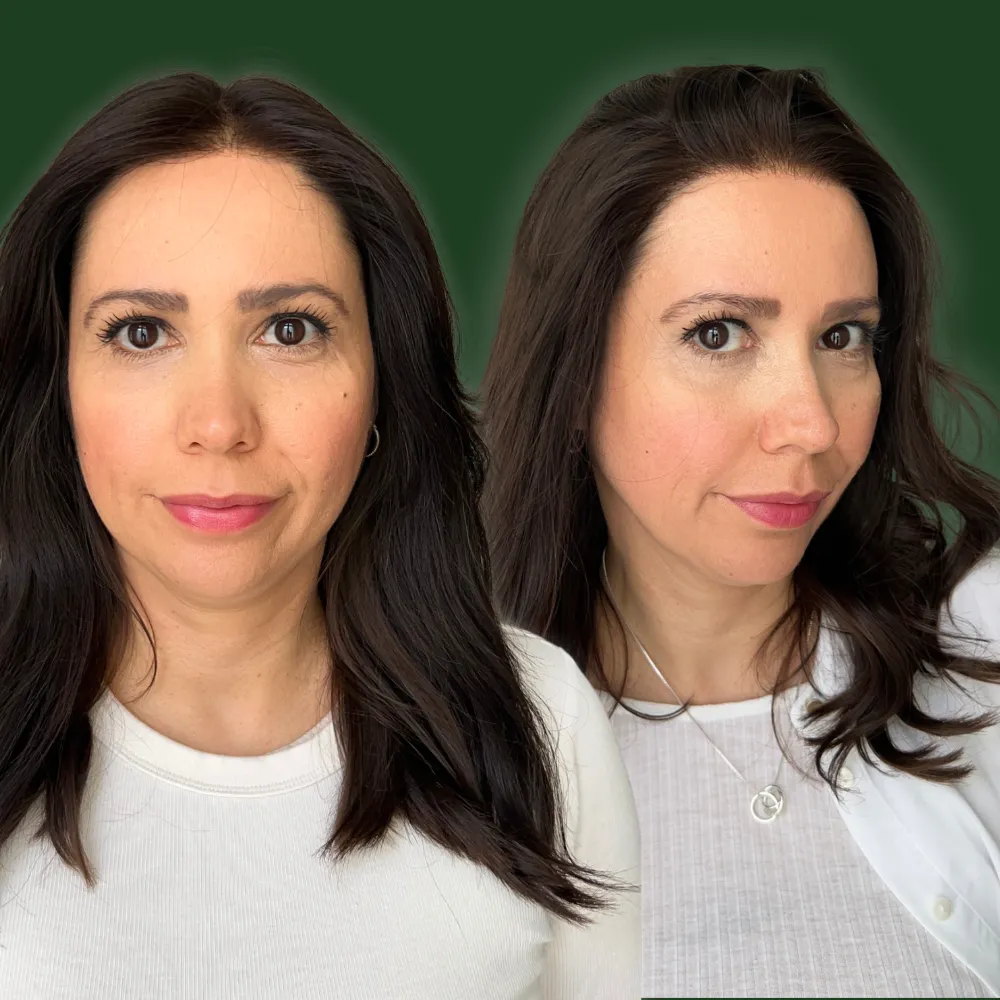
Topper or wig — which one is for you?
Wigs and toppers are a non-surgical way to deal with hair loss: no treatment plan, and no empty hope that the next cream or spray will finally grow your hair back. Which one suits you depends on where and how much hair you’ve lost, your head and face shape, and your everyday life. Many of us end up with both.
Toppers
A hairpiece that clips onto your own hair to add volume and coverage on top — at the part, crown or hairline. You need enough of your own hair on the sides and at the nape, so it can blend with the topper’s hair.
- Thinning at the part or crown
- You still have enough hair to blend and clip into
- Lighter and cooler to wear than a full wig
Wigs
Full coverage that doesn’t depend on your own hair — from everyday human hair wigs to hat wigs and ponytail pieces. A good choice when thinning is spread over the whole head.
- Diffuse or advanced hair loss
- Protects your own hair from clips
- Change your look in minutes
What I love about wearing hair
Results the same day
No waiting months to find out whether something works. You put it on and you see the difference.
A hair wardrobe
Pieces for the office, the gym, home and holidays — I choose in the moment.
Sun protection
A wig or a topper already protects your scalp from the sun on its own. On long sunny days outside, I still love wearing my hat wigs.
Make it yours
Cut, colour and modify the cap so a piece fits well, feels comfortable and suits your face shape.
Sustainable
Good human hair, cared for well, lasts for years instead of months.
Feeling like me
Less worry in the mirror, more energy for everything else.
The downsides — and how I handle them
I’d rather you hear them from me now than learn the expensive way, like I did.
The cost
Good pieces aren’t cheap. Buy fewer, better pieces, rotate them and make them last — and skip the beginner mistakes that cost me the most.
Heat & comfort
Wearing hair can get warm. Toppers, breathable caps and a hat wig for hot days make a big difference.
A learning curve
Measuring, fitting, washing, styling — it feels like a lot at first. The guides on this blog walk you through each step.
“Will it look fake?”
Face shape, undertone, density and a good cut make all the difference between “wig” and “your hair”. Get it right, and you’ll hear “I love your hair!” more often than you’d expect.
New to wigs and toppers? Start here
The order I’d go in if I were starting again today.
-
1
Know your hair loss type and situation
Get a diagnosis from a dermatologist first, then look at where you’re thinning: part, crown or all over.
-
2
Choose wig or topper
How I decide what to wear each day, and why having both is so useful.
-
3
Measure your head correctly
It only takes two minutes, but it saves you expensive returns and a cap that never sits right.
-
4
Learn the care basics
Washing and storing your pieces the right way is what makes them last.
Questions I get asked
Will people notice I’m wearing a wig?
Most people won’t know unless you tell them, because everyone is busy with themselves. What you might get are compliments, so have an answer ready! To keep it natural, go for a natural density and a lace wig. With a topper, learn how to blend the hairline with your own hair, or cut bangs. Once you know these tricks, wearing a wig in public feels a lot less scary.
Are hair toppers worth it?
If your thinning is mostly at the part or crown and you still have hair to clip into, a topper can be one of the easiest solutions. It’s lighter and cooler to wear than a wig, and it feels more natural once it’s blended with your own hair. If your hair loss is more advanced, a wig might suit you better.
Human hair or synthetic?
Synthetic pieces are cheaper, hold their style after washing and are a low-risk way to try wearing hair. Human hair looks and moves more naturally, can be heat styled and coloured, and lasts much longer with good care. I mostly wear human hair: it feels more natural to me and I can style it with heat. In my experience, synthetic pieces need a refresh after every other wear, because the fibres get clumpy.
How long does a human hair wig or topper last?
It depends on the hair quality, how often you wear the piece and how you care for it. Gentle washing, little heat and rotating two similar pieces add a lot of time. [Add how long your own pieces usually last.]
Can wearing a wig cause more hair loss?
No, that’s a myth. A wig itself doesn’t cause hair loss. But if the clips on your topper or wig always grip the same spots, the constant pulling can lead to traction alopecia. Move your clips around, make sure the fit isn’t too tight and give your scalp regular breaks. If you notice new thinning, check it with your dermatologist.
How many pieces do I really need?
Two pieces to rotate is a great start. Rotating gives each piece time to rest between washes, so both last longer, and you always have a backup. Add more only once you know what you actually wear.
Where do I start?
Follow the four steps above, then read the 7 mistakes I made as a beginner. It’s the guide I wish I’d had before buying my first wig.
Not sure where to start?
Read the 7 mistakes I made as a beginner — it’s the guide I wish I’d had.